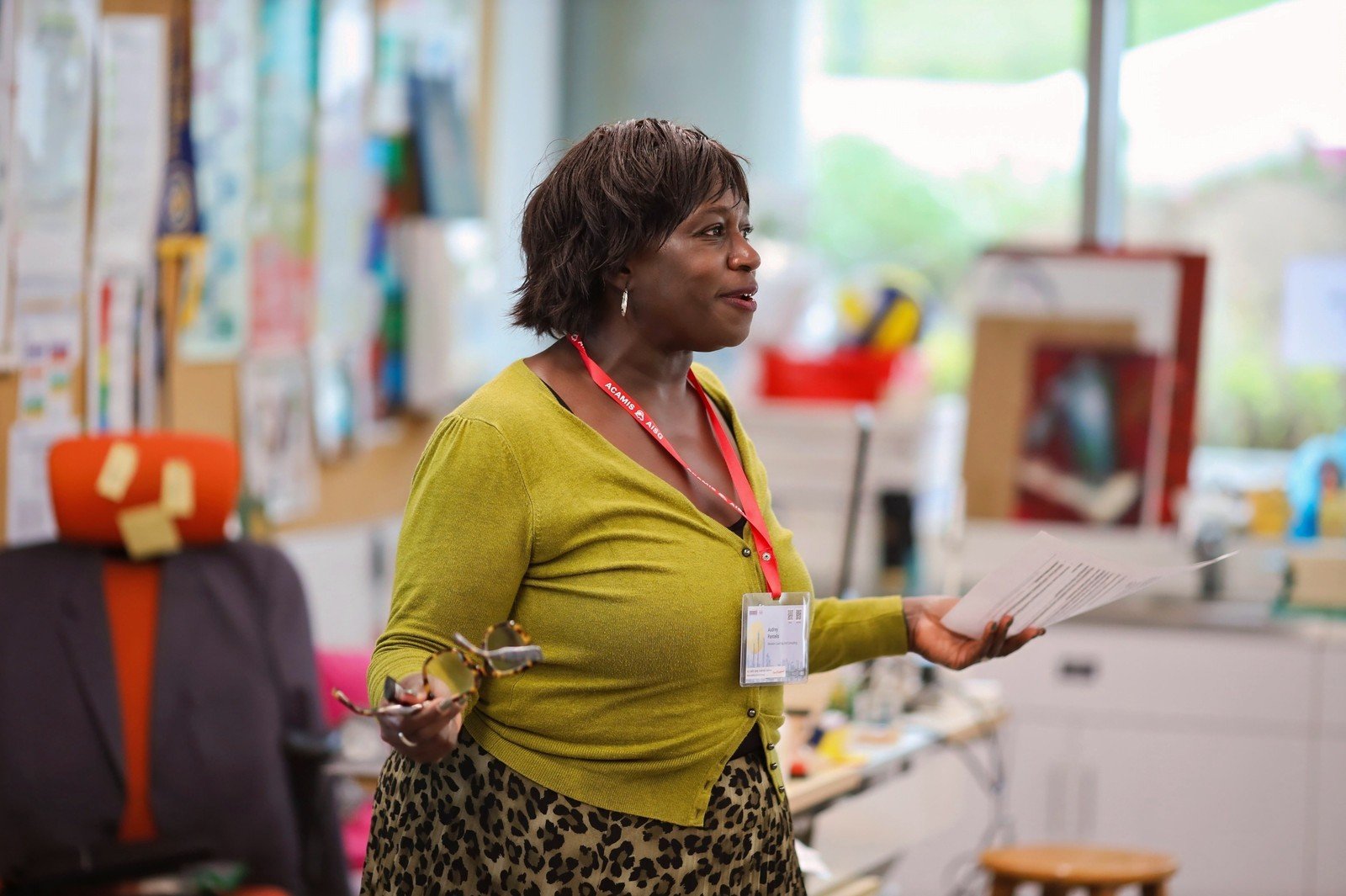

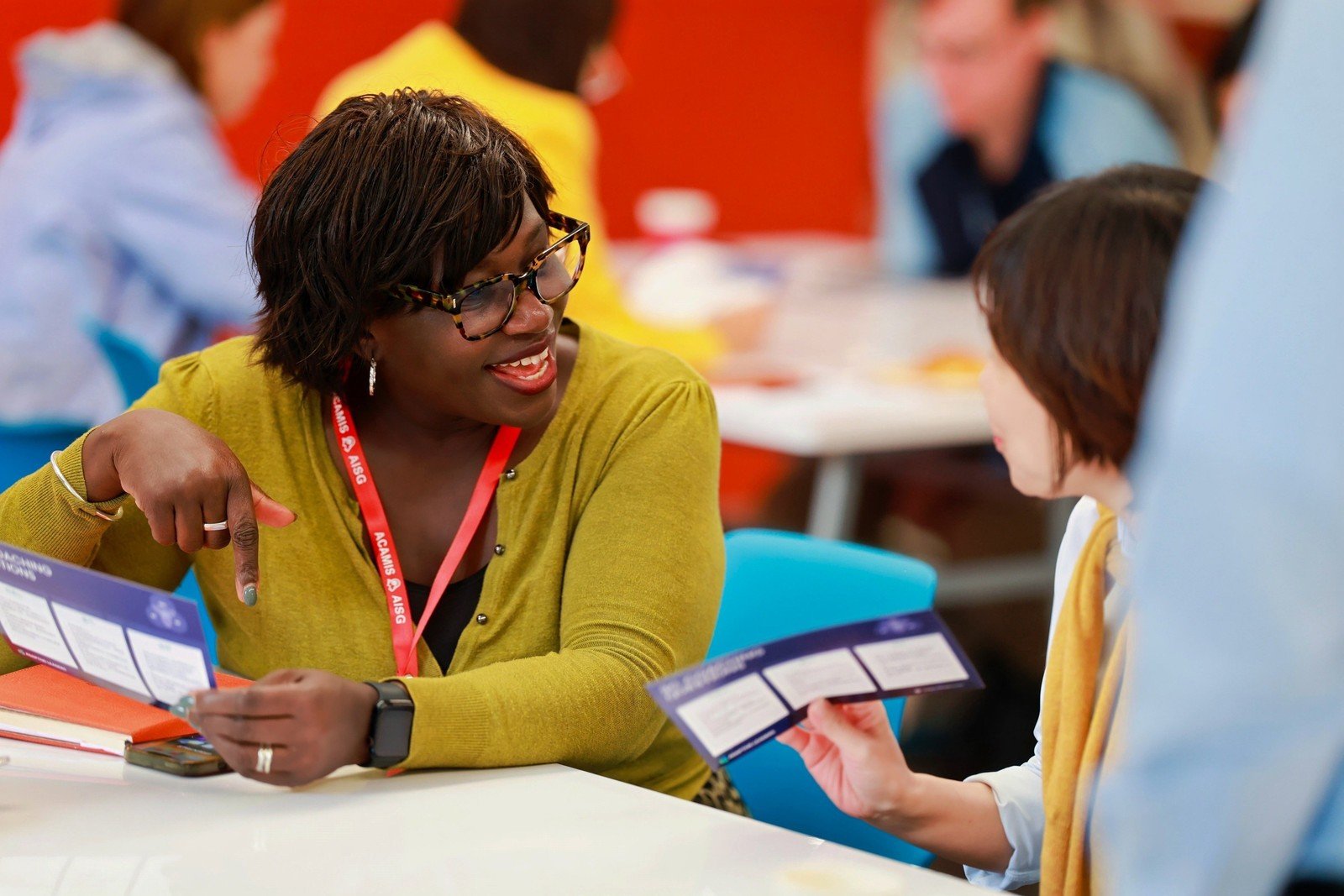
Embedding inclusion into everyday school practice

Working with Elevation Coaching and Consulting means moving beyond tick-box compliance to build authentic, sustainable inclusion - where every member of your school community feels seen, valued, and able to thrive.

The situations school leaders are dealing with

Book a call

Relationship breakdowns

Families aren't sure how to raise concerns, and staff aren't sure how to respond — creating distance and mistrust.

Inconsistent responses among staff

Staff react differently to the same situations, leaving pupils and families uncertain about what to expect.

Race, culture and language

Leaders aren't confident navigating conversations about race, identity, and cultural difference in a school context.

Inclusive expectations

The school's vision for inclusion exists on paper but isn't reflected consistently in day-to-day classroom practice.

Embedded in everyday systems

Inclusion is treated as an add-on rather than woven into curriculum design, policies, and school culture.

Impact on culture and attendance

Pupils from marginalised groups disengage, with knock-on effects on attendance, attainment, and community trust.

Building confidence and consistency across the school

Elevation Coaching and Consulting works alongside school leaders to turn good intentions into embedded practice. We go beyond one-off training to build the confidence, language, and systems your team needs to respond consistently — whatever situation arises.

Our approach is built on Audrey’s decades of experience working with schools across the UK. It is practical, evidence-informed, and designed to create lasting change from the inside out.
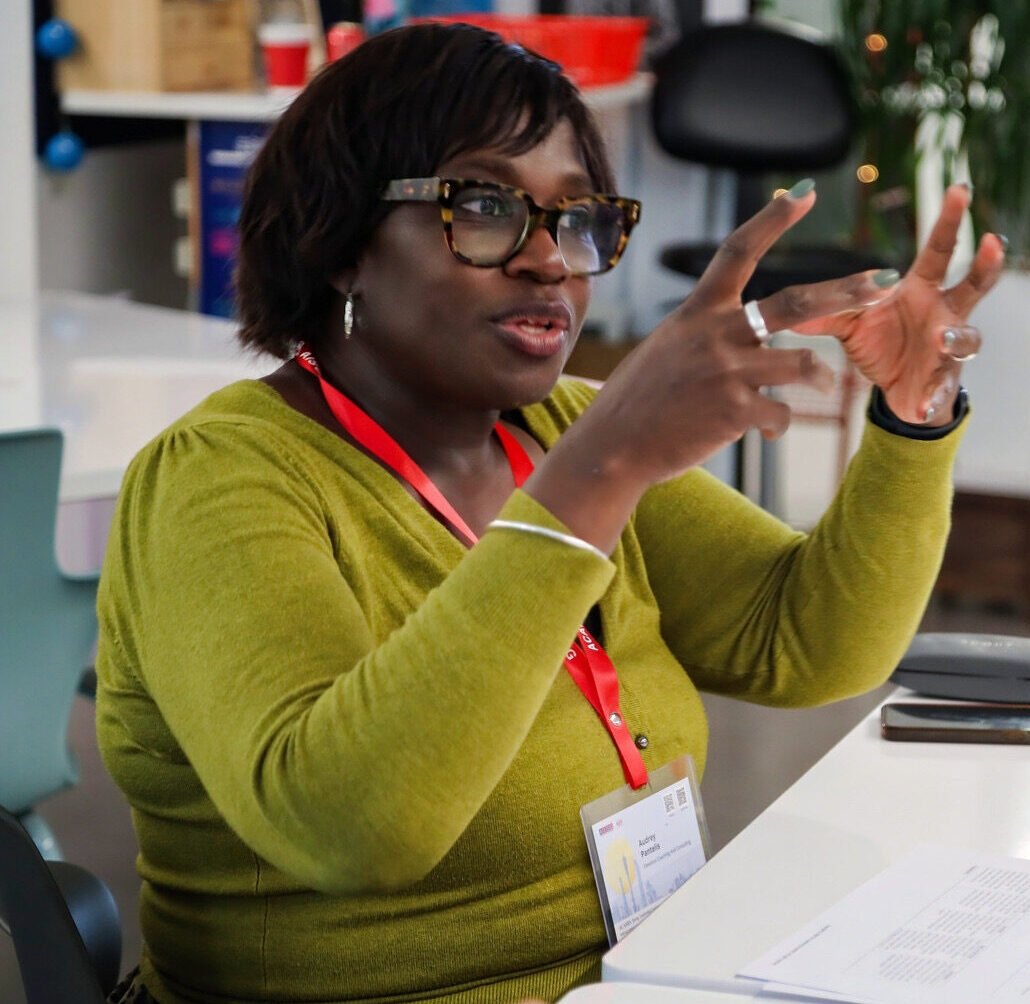
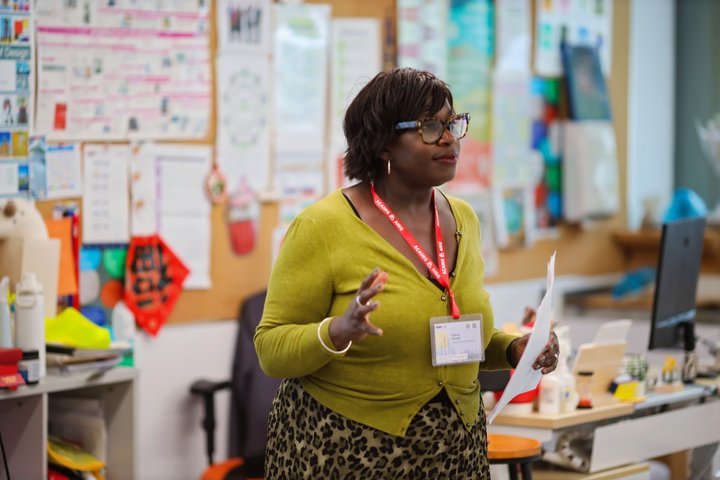
  • Build staff confidence to have difficult conversations
  • Create consistent, school-wide language around inclusion
  • Embed inclusive practice into everyday systems and culture
  • Strengthen relationships with families and the wider community

Ways we support schools

Support is shaped around what is happening in your setting and what needs to change first. Some schools need a focused piece of work to get clarity and direction. Others need support over time to build confidence, strengthen consistency across teams, and embed practice into routines and systems.

The starting point is usually insight-led, so the work targets the right issues rather than adding more training for the sake of it. From there, support can include a mix of assessment, training, coaching and ongoing consultancy.

Stakeholder voice and insight sessions

We create structured opportunities to hear from staff and key stakeholders, so leaders have a clear picture of what is happening day to day.

For Example

  • Stakeholder voice sessions and facilitated discussions
  • Themes and patterns across teams or phases
  • Clear priorities for what needs attention first

Targeted training and development

Training focused on the diversity, equity and inclusion areas most relevant to your setting, designed to strengthen confidence and consistency in how staff respond.

For Example

  • Practical responses to language and behaviour
  • Confidence in difficult conversations
  • Clear expectations that can be applied across teams

Mentoring and coaching (1:1 or groups)

One-to-one and bespoke group support that helps leaders and staff apply learning to practical strategies, in the situations they are dealing with now.

For Example

  • Leadership decision support in live situations
  • Discussion, reflection, and practical application
  • Building capability across teams, not just individuals

Benchmarking, evaluation and long-term partnerships

Support to measure progress and strengthen accountability over time, including opportunities to benchmark current thinking and track impact through feedback.

For Example

  • Surveys to measure progress and ROI
  • Review points to check what is changing in practice
  • Ongoing partnership support to embed and sustain improvements

Inclusion consultancy

For schools, inclusion consultancy starts with what’s actually happening in your setting – the specific behaviours, the specific pressure points – not a generic training day. From there, your staff build a shared language for responding to behaviour and language consistently, so no one’s left improvising alone in the moment. Over time, that consistency becomes the culture: new staff pick it up because it’s how things are done here, not because they read it in a policy. What you’re left with isn’t a memory of a good INSET day – it’s a staff team that responds the same way, whoever’s in the room.

  • Grounded in real school contexts across the UK
  • Structured progression from diagnosis to embedded practice
  • Builds leadership capacity at every level of the school
  • Designed for sustainable change - not short-term compliance

Support for leaders in organisations and schools

Choose the route that matches your setting. Each one is designed to build confidence, consistency and clear next steps.


Working with schools

Support for leaders to build calmer, more consistent practice when inclusion challenges show up through behaviour, language, and day-to-day incidents. The focus is shared expectations, clear responses, and systems that help staff handle situations with confidence.

For example

  • Reduce inconsistency in how incidents are handled across teams
  • Build shared language staff can rely on in real moments
  • Embed the approach into routines, policies, and everyday expectations

Working with organisations

For founders and leaders whose organisations are scaling fast – where growth outpaces the systems meant to hold it together. That’s exactly when exclusion creeps in, unwittingly: inconsistent responses, mixed messages, moments handled differently depending on who’s in the room and who’s watching.

Left alone, that gets expensive – and it escalates in a predictable order. First, quiet attrition: you lose good people before you even know there’s a problem. Then it becomes formal: small issues nobody caught early turn into grievances, with real cost in time, money and stress. Then it hits reputation: word gets round, and hiring gets harder.

We help you build the leadership and culture that closes that gap – practical tools, clearer expectations, and a consistent approach your team can actually use, day to day.

For example

  • Equip managers with language and tools for live conversations
  • Set clearer expectations so responses don't vary by team
  • Improve consistency in how issues are handled and escalated

Speaking and keynotes

For conferences and leadership teams who want a grounded talk, shaped around your audience and what’s actually going on in the room – one that challenges thinking and leaves people with practical ways to respond.

For example

  • Practical ways to respond when situations feel loaded
  • Language leaders can take back to their teams
  • Clear next steps, not awareness for awareness' sake

Resources for headteachers and trust leaders

These courses and resources are designed for school leaders who want practical training that supports day-to-day decision making. They focus on common situations in schools - language, incidents, curriculum and recruitment - and help staff respond more consistently, with clearer expectations.

They can be used as a standalone starting point, or alongside wider work where you're embedding inclusion into everyday routines and systems across teams.


Inclusio Talk

A downloadable e-book packed with diversity, equity and inclusion conversational prompts and scripts to help your team have positive, inclusive conversations.

Speak Equal

A self-paced 3-module course on how to manage derogatory and non-inclusive language to create a safe environment for everyone.

Talk Inclusive

An expanded 7-module self-directed digital course on managing derogatory and non-inclusive language to create an environment where all voices are included, heard, and valued.

Elevate Your Learning – Race

A downloadable video exploring the key concepts relating to race - explaining why it matters in schools and how to handle it with confidence.

Diversifying The Curriculum

A video for teachers on diversifying the curriculum, accompanied by downloadable worksheets on bias, inclusion, and racial diversity.

Inclusive Recruitment Practices

A 60-minute webinar addressing the challenges of recruiting a diverse workforce and the strategies for truly inclusive recruitment.

Start a Conversation

Whether you're exploring options or ready to take the next step, we'd love to hear from you. Let's talk about how we can support your organisation.

Trusted support for leaders

Elevation Coaching and Consulting helps founders and leaders build the leadership and culture that inclusion depends on. The work sits at the point where behaviour, decisions and systems collide: handling language, incidents, staff confidence, and inconsistent practice, often under pressure and with limited time.

Exclusion rarely comes from bad intentions. It shows up as silence, inconsistency, and moments handled badly – which is why Audrey’s approach is practical, not theoretical: helping teams build shared language, respond more consistently, and embed clearer expectations into systems and routines. The goal is confidence and consistency across teams, not one-off awareness.

  • Support for founders, CEOs and senior leaders
  • Practical training, coaching and consultancy
  • Focused on confidence, consistency and risk reduction
  • Embedded in your systems, not a one-off session

"We adopted a whole-community approach to engagement. Audrey provided training for teaching and support staff, governors and school leaders, whilst also seeking feedback from colleagues, pupils and parents. Over the last two years, we have seen real and tangible progress, leading to the development of an Inclusion Policy, the establishment of an Inclusion Working Group, two parental forums, and staff-facilitated training. I have thoroughly enjoyed working with Audrey. I greatly value her openness, her willingness to provide constructive challenge, and the support she has offered throughout our partnership. "

Rector Hutchesons' Grammar School

Practical insights and tools

Elevation Coaching and Consulting shares practical insights and resources to help leaders build confidence and consistency in how inclusion shows up day to day.

See Our Insights

Frequently asked questions

We've answered some of the questions leaders and organisations often ask before getting started. If you're unsure where you fit, or want to talk through your context, we're happy to have a conversation.

Ask a Question

Not necessarily. Many founders and school leaders get in touch because they sense something’s off, not because they can point to one specific incident. That’s exactly what the first conversation is for — understanding what’s actually happening before anything’s proposed.

There’s no fixed timeline for either. Every organisation and every school is starting from a different place, so the plan is scoped to what’s actually happening rather than fitted to a generic package. That’s exactly what the first conversation is for — giving you a straight answer, not a standard number that doesn’t reflect your reality.

No. We don’t run generic DEI modules, one-off awareness sessions, or standalone training days as the core offer — for organisations or for schools. Inclusion isn’t something we deliver as a values exercise or a policy document. Our work focuses on leadership behaviour and organisational systems, because that’s what actually determines whether inclusion happens in practice.

For organisations, it runs through the Elevation Blueprint — a four-stage approach starting with an honest picture of what’s actually happening, building the leadership habits that stop teams freezing under pressure, and embedding those habits into your systems so the standard holds without you personally having to enforce it every time. For schools, it starts with a 30-minute discovery call — a conversation, not a pitch — followed by a five-step process: understanding what’s happening, agreeing priorities, building a plan with named ownership, putting it into practice, and checking it’s actually holding over time.

It gets expensive, in a predictable order. First, quiet attrition — you lose good people before you know there’s a problem. Then it becomes formal — small issues nobody caught early turn into grievances. Then it hits reputation — word gets round, and hiring gets harder.

A conversation, not a pitch. For organisations, that means understanding what’s actually happening in your business before anything’s proposed. For schools, it’s a 30-minute discovery call with the same aim — nothing gets recommended until we’re genuinely sure what you need

This is for founders and leaders of organisations growing fast, and for school leaders — including mainstream and special educational needs and disabilities (SEND) settings. The work looks different depending on which you are, but the underlying belief is the same: inclusion isn’t a values statement, it’s what happens in the decisions leaders make when something difficult actually happens.

I built a school’s leadership and systems from a standing start — no systems, no leadership team, growing the staff from 23 to over 100 people in two years, and taking it to an Ofsted ‘Good with Outstanding Features’ rating within three years. That’s alongside thirty years across mainstream and SEND education. I’ve lived what it takes to build something that holds under fast growth, not just studied it.